Tread Well on Earth
Introduction to Permaculture Course Resources
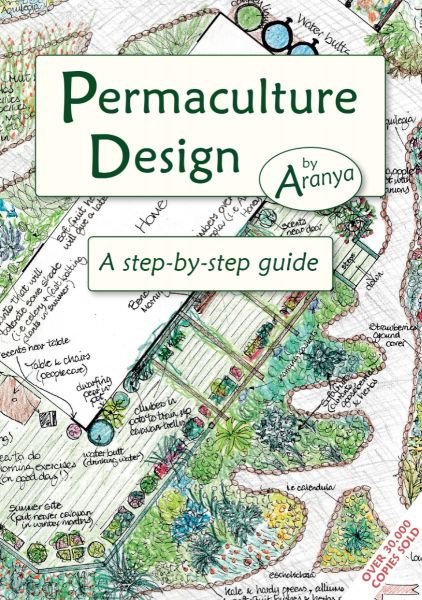
Find below handouts, links and other resources related to the Introduction to Permaculture Course in London.
Handouts:
Slideshows:
Links:
http://www.cfgn.org.uk/ - community food growers network, where you'll find a map of community gardens
http://www.londonpermaculture.com/ - the London Permaculture Network (festival every summer highly recommended!), plus a newsletter that is worth joining for events and activities in London.
http://www.permablitzlondon.com/ - London Permablitz linked to London Permaculture Network
https://brightonpermaculture.org.uk/ - Brighton Permaculture Trust offers really well organised specialised courses
https://www.permaculture.org.uk/ - UK Permaculture Association offers great resources and course listings
https://www.permaculture.org.uk/land - links to the LAND (Learning and Demonstration) projects, permaculture demonstration sites
https://www.transitionnetwork.org/ - Transition Network
http://gen.ecovillage.org/ - Global Ecovillage Network
http://wwoof.net/ and https://www.workaway.info/ - for those travelling
http://www.participatorycity.org/ - If there is a future for cities, I hope it's this =) these guys have done part of the slide show we saw at the end of the course
https://www.ecosystemrestorationcamps.org/ - Ecosystem Restoration Camps - you can become a member of the cooperative for 120 euros per year and support their great work
https://www.incrediblevegetables.co.uk/ and https://backyardlarder.co.uk/ - Buy perennial vegetables
Articles/ Blog posts:
Videos and Films:
The Story of Stuff
In Our Hands - A film on the grassroot movement in British agriculture
The Biggest Little Farm - this is the trailer - the full film is on netflix - is a good depiction of large scale permaculture and how we might be able to integrate wildlife and food production
How wolves change rivers by George Monbiot
Hope in a hanging climate explores the promise of large scale ecosystem restoration
Indigenous communities and ecological agricultural practices
Book recommendations:
The Permaculture Design Course (PDC) is a 72-hour internationally recognised training engaging head, heart and hands of participants to discover the principles and techniques of permaculture. We will explore the patterns of our predominant consumerist culture and compare them to the sustainable and regenerative patterns of the natural world. We will not only apply those patterns and principles to the example of ecosystems and the land but also communities and and our own embodied selves.
We are nature is a day workshop exploring the nature of our being through meditation, playful movement, guided dialogue and connecting to the more-than-human.
The Permaculture Design Course (PDC) is a 72-hour internationally recognised training engaging head, heart and hands to discover the principles and techniques of permaculture. We will explore the patterns of our predominant consumerist culture and compare them to the sustainable and regenerative patterns of the natural world. We will not only apply those patterns and principles to the example of ecosystems and the land but also communities and our own embodied selves.
The Permaculture Design Course (PDC) is a 72-hour internationally recognised training engaging head, heart and hands of participants to discover the principles and techniques of permaculture. We will explore the patterns of our predominant consumerist culture and compare them to the sustainable and regenerative patterns of the natural world. We will not only apply those patterns and principles to the example of ecosystems and the land but also communities and and our own embodied selves.
Hi I’m Liz and I am very fortunate to live in the Stroud Valleys with my partner. I am originally from the West Midlands and am proud to consider myself as a Black Country “wench”, having grown up in a former mining village next to a steel making town, all now long gone. That background, where folks don’t have much, has inspired a resilience in me to make the most of what we have, help who we can and grow as much food as possible.
I’m in my early 30s and have spent much of the last decade ‘being a comedian’ which has mostly meant doing stand up, until the last few years during which I’ve been lucky enough to spend most of my time writing and acting in sitcoms for the BBC. I feel lucky and I enjoy it, but nevertheless I increasingly felt like something was missing from my life and more specifically I felt disconnected from nature and like I didn’t spend enough time outdoors, which I suppose is what ‘led me to permaculture’.
People come to take Permaculture Courses for a number of reasons: some want to adopt a new way of thinking and bring more creativity into the work they are already doing, others don’t find meaning in their current occupation and are looking for alternatives; some are looking to buy land hoping to run a homestead, while still others have a small garden at home and would like to get more in touch with the soil and produce a few things for themselves.
Organising a Permaculture Design Course (PDC) is generally a great opportunity for a project or a community to integrate more of the Permaculture principles into their workings. Developing a well functioning Permaculture system however takes time… This is why I am excited to go back to Tribewanted Monestevole this coming October to deliver a second fully accredited PDC. It will be an opportunity to build on the lessons learned from last year’s course while continuing to build the Permaculture community across Europe.
First time novelist, Sarah Kisielowski, joined the Introduction to Permaculture weekend to find out how its principles might apply to creativity and writing.
Permaculture is an intuitive framework for change that reconnects us to each other, the natural world, and ourselves.
This was the opening definition...
This week, the UK Permaculture Association published a short version of our 5 stories of Permaculture Design Course participants on their blog.
Find the full post here.
“Permaculture is thinking like an ecosystem”
On the second day of the 2016 Permaculture Design Course the concept above was mentioned, from that moment on Andrea, also known as Dre, began to question the impact of why and how we approach things. Ecosystems rely on dependency, much like the human ecosystem we all live in.
"I hope to make the world a better place by fostering resilience in communities."
Robert’s passion for permaculture runs deep, beginning at school twenty years ago, when his Geography teacher taught his class the fundamental principles. Robert went on to study Environmental Sciences at University and is now a member of...
The second of the three workshops at Bandstand Beds was on the topic of growing winter veg. Sarah Wilson, one of the participants, wrote a blog post together with David Dandridge.
“I feel like I know a secret and want to share it with the world!”
This time, I find myself sitting in a café near Old Street, chatting to the outgoing Natasha. Deciding that spending the majority of your waking hours in a job that doesn’t bring you much satisfaction, in August 2015 Natasha...
My second interview was with Permaculture Design Course (PDC) participant Nicky, 26, who works with children with special needs. He is currently developing his practice as a yoga teacher and artist and he chose to do the permaculture design course hoping to ...
“If you apply it to your life, permaculture is a manual for surviving on the planet”
These are the final words of my interview with Permaculture Design Course (PDC) participant Louise - the first in a series of participants' stories, aimed at sharing why people take the course and how it can enrich their lives.
Veronica Simpson on the 'benefits of thinking outside the box' in FX magazine after attending a one day permaculture course with us. Read the full article here.
Our Coming Back To Life Workshop, which we ran in Luxembourg exploring the psychology of change, is featured in the local Transition Magazine ö! Read the full article with interview here on page 13.
This following piece was written by Roy Heesakkers, one of the participants on our 2025 Permaculture Design Course in Wales with SAWA Architecture. His reflections capture the depth, connection, and transformation many experienced during the 12 days we spent together. The photos throughout were taken by Harvey Gorst, whose eye for beauty and connection brings the course vividly to life.